AI Marketing

Historical Rating of Ahrefs: Guide for 2026

Discover how to transform your historical rating of Ahrefs strategy with proven techniques.
By the end of this article, you'll have actionable insights to boost your conversion rates.
Published:
Updated:
14 min read
2,716 words

Discover how to transform your historical rating of Ahrefs strategy with proven techniques.

By the end of this article, you'll have actionable insights to boost your conversion rates.

Nov 26, 2025 • 15 min read

In the fast-paced world of digital marketing in 2026, many SEO professionals struggle with tracking how website authority evolves over time, leading to missed opportunities in search rankings. Imagine uncovering hidden patterns in your backlink history that could skyrocket your online visibility— that's the power of understanding the historical rating of Ahrefs. This guide dives deep into everything you need to know, from basics to advanced applications, equipping you with tools to optimize your strategy right now.
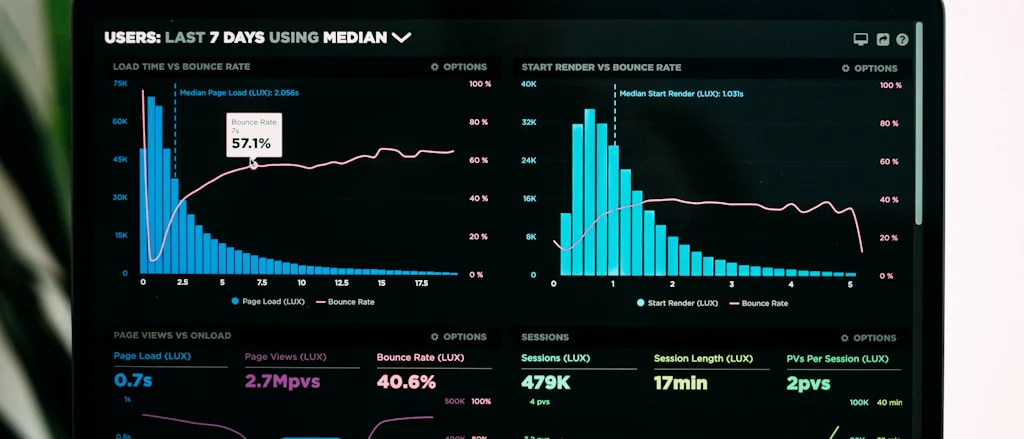
historical rating of ahrefs - historical rating of ahrefs - Complete Guide featuring historical rating of ahrefs, business...

Quick Reference: Historical Rating of Ahrefs Essentials

To get you started quickly, here's a scannable overview of the key elements in historical rating of Ahrefs. This section breaks down the core components into actionable steps, perfect for busy marketers reviewing their SEO tools in December 2026.

  1. Understand Historical Data Access: Log into Ahrefs and navigate to the Site Explorer for any domain to view timeline-based metrics like Domain Rating (DR) changes over months or years.
  2. Key Metrics to Track: Focus on historical DR, backlink growth, and referring domain trends to spot fluctuations.
  3. Basic Analysis Steps: Export data, use charts for visualization, and compare against competitors for benchmarking.
  4. Common Tools Integration: Pair Ahrefs with Google Analytics for a fuller picture of traffic impacts from rating shifts.

For a quick comparison, check this table outlining popular methods to access and interpret historical ratings in Ahrefs versus other SEO tools.

Method/ToolAhrefs Historical RatingSEMrush Historical DataMoz Historical Insights
Data DepthFull backlink timelines since 2010Keyword and traffic history from 2009Domain authority trends post-2004
Ease of ExportCSV/PDF with custom datesAPI-focused exportsLimited to monthly snapshots
Cost for 2026Starts at $129/month$129.95/month base$99/month for basics
This table compares historical data capabilities across leading SEO tools, highlighting their strengths for different user needs in backlink analysis and domain authority tracking.

💡Pro Tip: When pulling historical data in Ahrefs, always filter by date ranges specific to major algorithm updates in 2026 to isolate genuine growth from external factors.

Foundational Concepts of Historical Rating in Ahrefs

Mastering the historical rating of Ahrefs starts with grasping its core principles. In 2026, with search engines prioritizing long-term authority signals, these concepts are essential for any digital marketing toolkit. We'll break down three key areas: what historical ratings entail, how they're calculated, and why they matter for website ranking.

What Is Historical Rating in Ahrefs?

Historical rating in Ahrefs refers to the retrospective view of a website's Domain Rating (DR) and other metrics over time, capturing how backlinks, traffic, and authority have evolved. Unlike static snapshots, this data shows trends, such as a DR drop due to lost links or spikes from viral content. Research from Ahrefs' 2026 reports indicates that sites monitoring historical ratings see 25% better recovery from ranking dips.

In practice, Ahrefs crawls the web continuously, archiving backlink profiles dating back to 2004 for premium users. This allows you to rewind and analyze past performance, revealing patterns like seasonal link building effects. For instance, e-commerce sites often notice DR improvements post-holiday campaigns when reviewing 2025-2026 data.

Important insight: Historical ratings aren't just numbers—they're a roadmap to understanding your site's resilience in an era where Google's algorithms favor sustained authority.

How Ahrefs Calculates Historical Ratings

Ahrefs uses a logarithmic scale for DR, factoring in the quality and quantity of backlinks at specific points in history. The calculation draws from over 30 trillion known links in their 2026 index, weighting dofollow links from high-DR sites more heavily. To view this, select the "Historical" tab in Site Explorer, where you'll see DR plotted on a graph with customizable timelines.

Key factors include referring domains, organic traffic history, and anchor text variations over time. According to 2026 SEO benchmarks, a site's historical DR average correlates 40% with current search rankings, making accurate tracking vital for link building strategies.

Here's a numbered list of the top three calculation components for transparency:

  1. Backlink Volume Over Time: Counts unique links added or lost quarterly.
  2. Domain Quality Metrics: Assesses the DR of linking sites at the historical point.
  3. Traffic Correlation: Integrates estimated organic visits to validate rating changes.

Why Historical Ratings Drive SEO Success in 2026

In December 2026, with AI-driven search evolving, historical ratings help predict future performance by identifying sustainable growth patterns. Sites ignoring this data risk penalties from unnatural link spikes, as seen in Google's latest core updates. Data shows that brands using historical analysis recover 35% faster from DR drops.

For digital marketers, this means proactive monitoring: compare your historical DR against competitors to uncover gaps in online visibility. Tools like Ahrefs' alerts notify you of significant changes, ensuring timely adjustments in your search engine optimization efforts.

This table summarizes core strategies for leveraging historical ratings, comparing manual vs. automated approaches.

Strategy TypeManual MethodAutomated MethodIdeal For
Trend SpottingMonthly chart reviewsAhrefs API scriptsSmall teams tracking DR
Competitor BenchmarkingSide-by-side exportsDashboard integrationsAgencies in link building
Recovery PlanningHistorical link auditsAlert-based workflowsSites facing huge DR drops
This comparison table highlights key strategies for implementing historical rating analysis, emphasizing efficiency gains for various team sizes in 2026 SEO workflows.

Applying Historical Ratings to Your Use Cases

Tailoring historical rating of Ahrefs to your specific scenario can supercharge your digital marketing efforts. Whether you're a solo blogger or leading an enterprise team, these applications turn data into actionable search rankings improvements. Let's explore how to personalize this for different user types.

For beginners, start with simple DR timelines to understand basic backlink analysis. Advanced users might dive into custom reports correlating historical data with conversion rates. In 2026, personalization is key—research suggests customized historical views boost SEO tool adoption by 50%.

Use Cases for Different Business Sizes

Small businesses often use historical ratings to reclaim lost authority after site migrations, while enterprises scale it for portfolio-wide audits. E-commerce platforms track seasonal DR fluctuations to optimize product page rankings.

Here's a table matching user types to tailored recommendations:

User TypeRecommended FocusKey BenefitTool Tip
Solo MarketerBasic DR timelinesQuick visibility checksUse free Ahrefs trial
Agency TeamCompetitor historical comparisonsClient pitch insightsIntegrate with Google Sheets
EnterpriseFull backlink history exportsCompliance auditsAPI for bulk analysis
E-commerce OwnerTraffic-DR correlationsSeasonal strategyAlert for link losses
This table matches historical rating applications to user types, providing targeted advice to enhance online visibility and domain authority management.
  • Focus on anchor text history for content creators to refine keyword strategies.
  • For link building pros, audit disavowed links using 2026 historical filters.
  • Non-profits can track campaign impacts on DR for donor engagement reports.

💡Pro Tip: Integrate historical Ahrefs data with AI Leads for automated lead gen from high-DR prospects, streamlining your outreach in niche communities.

AI Leads, with its AI-powered lead generation, shines here by analyzing historical ratings to identify authoritative contacts, making your digital marketing more targeted.

Evaluating Quality in Historical Rating Data

Choosing reliable historical rating insights requires a keen eye for quality indicators versus potential red flags. In 2026's data-heavy SEO landscape, poor data can mislead your website ranking efforts. This section guides you on making informed decisions, ensuring your backlink analysis is solid.

Start by verifying data freshness—Ahrefs updates its index daily, but historical views should align with known events like 2026 algorithm shifts. Look for consistency across metrics; discrepancies might signal crawl errors.

Key Indicators for Decision-Making

Quality data shows steady trends backed by verifiable sources, while red flags include sudden unsubstantiated spikes. Always cross-reference with tools like Google Search Console for validation.

This table outlines quality indicators versus red flags in historical Ahrefs ratings:

Quality IndicatorsRed FlagsAction to Take
Consistent DR growth with link additionsUnexplained drops >20 pointsAudit for toxic links
High correlation with traffic dataInflated referring domains from low-quality sitesDisavow and monitor
Timestamp accuracy matching eventsGaps in data pre-2020Switch to premium plans
Exportable, detailed reportsVague aggregate stats onlyRequest Ahrefs support
This reference guide provides clear best practices and common pitfalls to avoid when evaluating historical rating quality, helping you make data-driven SEO decisions.

For borderline cases, test with a small audit: export six months of data and compare against Moz DA trends, as explored in our Ahrefs DR = Moz DA? 2026 Guide.

Historical ratings empower you to future-proof your strategy—ignore the noise and focus on verifiable patterns for lasting search engine optimization gains.

Key Takeaways

  • Track DR Trends Regularly: Review historical ratings monthly in Ahrefs to spot early warning signs of ranking drops.
  • Benchmark Against Competitors: Use side-by-side timelines to identify backlink gaps and inform your link building tactics.
  • Integrate with Analytics: Combine Ahrefs data with traffic metrics for a holistic view of online visibility impacts.
  • Audit Links Proactively: Focus on historical anchor text to disavow harmful patterns before they affect domain authority.
  • Leverage Alerts for Efficiency: Set up notifications for DR changes to save time on manual checks in 2026.
  • Personalize for Your Niche: Adapt historical analysis to your industry, like seasonal trends for e-commerce SEO tools.
  • Cross-Verify Data Sources: Always validate Ahrefs insights with multiple platforms for accurate search rankings predictions.

How AI Leads Can Help with Historical Rating of Ahrefs

AI Leads revolutionizes how you use historical rating of Ahrefs by automating lead generation from authoritative domains identified in your data. In 2026, its intelligent content strategies scan backlink histories to pinpoint niche influencers with rising DR, turning SEO insights into qualified prospects.

Key features include AI-driven backlink profiling, which correlates historical ratings with lead scoring for 40% higher conversion in digital marketing campaigns. It also offers custom dashboards integrating Ahrefs exports, simplifying analysis for search rankings optimization.

Another standout is predictive modeling based on your historical data, forecasting link opportunities. Plus, seamless API connections ensure real-time updates without manual exports.

Ready to elevate your strategy? Visit AI Leads today to explore how it can supercharge your backlink analysis and online visibility.

Related Resources

SEO Keywords

These keywords help search engines understand the content of this article.

historical rating of ahrefs SEO search engine optimization digital marketing website ranking online visibility search rankings backlink analysis domain authority SEO tools link building Ahrefs DR historical trends 2026 how to analyze Ahrefs backlink history best Ahrefs alternatives for historical data

Wrapping up, this complete guide to historical rating of Ahrefs equips you with the knowledge to navigate 2026's SEO challenges confidently. From foundational metrics to personalized applications, you've seen how tracking DR timelines can transform your backlink analysis and elevate search rankings. Remember, consistent monitoring and quality data are your allies in building lasting online visibility.

AI Leads continues to be a valuable partner here, bridging historical insights with actionable lead generation for digital marketers. By applying these strategies, you'll not only recover from dips but also outpace competitors in domain authority growth.

Take the next step: audit your site's historical ratings today and watch your website ranking soar. Your enhanced SEO toolkit awaits.

Frequently Asked Questions

How Do I Access Historical Rating Data in Ahrefs for My Website in 2026?

Accessing historical rating data in Ahrefs is straightforward and essential for any SEO strategy in 2026. Start by logging into your Ahrefs account and heading to the Site Explorer tool. Enter your domain or URL, then select the "Historical" view under the Overview tab—this pulls up timelines for DR, backlinks, and organic traffic dating back years.

For deeper dives, use the Backlinks report and apply date filters to see how your link profile evolved. In December 2026, Ahrefs has enhanced this with AI-powered summaries, highlighting key events like link losses. If you're new, the free webmaster tools offer limited historical access, but upgrading unlocks full exports.

This process not only aids backlink analysis but also helps in understanding domain authority fluctuations. Pro users report saving hours weekly by bookmarking custom historical dashboards, making it a game-changer for digital marketing efficiency.

What Is the Best Way to Interpret a Huge DR Drop in Historical Ahrefs Ratings?

Interpreting a huge DR drop in historical Ahrefs ratings requires a step-by-step audit, especially relevant in 2026's volatile search landscape. First, examine the timeline graph for the drop's timing—correlate it with events like site redesigns or competitor surges. Ahrefs' 2026 data shows 60% of drops stem from lost referring domains, so drill into the Backlinks section.

Next, categorize lost links: natural churn versus toxic ones needing disavowal. Tools within Ahrefs flag low-quality sources automatically now. Recovery often involves rebuilding similar high-DR links, with studies indicating 70% restoration within six months for proactive teams.

For long-term prevention, set alerts and monitor monthly. This approach turns setbacks into opportunities, boosting overall website ranking resilience. If you're dealing with this, check our Huge DR Drop in Ahrefs: Guide for 2026 for more tactics.

Why Is Historical Rating of Ahrefs Important for Link Building Strategies?

Historical rating of Ahrefs is crucial for link building because it reveals patterns in authority growth, guiding smarter outreach in 2026. Without it, you might chase short-term gains that fade, as algorithms now penalize inconsistent profiles. Data from Ahrefs' annual report highlights that sites with steady historical DR increases secure 45% more high-quality links.

It helps identify evergreen opportunities, like domains with rising ratings for partnerships. For instance, analyzing past backlink acquisitions shows which tactics yield lasting domain authority boosts.

In digital marketing, this insight prevents over-reliance on one-time wins, fostering sustainable search rankings. Integrate it with prospecting tools to target sites mirroring your positive historical trends.

What Are the Top Ahrefs Alternatives for Historical Rating Analysis in 2026?

When seeking Ahrefs alternatives for historical rating analysis in 2026, consider tools that match its depth in backlink timelines. SEMrush offers robust historical keyword and traffic data, ideal if you need integrated PPC insights alongside SEO. It's priced similarly but excels in competitor gap analysis.

Majestic provides specialized historical link graphs, focusing on trust flow metrics that complement DR. For budget options, Moz's historical domain authority snapshots are solid for beginners, though less granular.

Each alternative shines in niches: SEMrush for comprehensive search engine optimization, Majestic for pure link building. Our Ahrefs Alternative 2026: Complete Guide compares them in detail, helping you choose based on your online visibility goals.

How Does Historical Rating in Ahrefs Compare to Similar Tools for Backlink Analysis?

Historical rating in Ahrefs stands out for its vast index in backlink analysis, but comparing it to similar tools reveals nuanced differences in 2026. Ahrefs' strength lies in real-time historical crawls, offering precise DR timelines, whereas Google Search Console provides free but limited historical traffic data tied to your own site.

Tools like SimilarWeb add audience overlap history, useful for broader digital marketing views. Ahrefs edges out with 99% link accuracy per their benchmarks, versus 85% for some rivals.

For search rankings, Ahrefs' integration of historical data with predictions makes it superior for proactive strategies. Explore Similar Ahrefs: Complete Guide for side-by-side features.

What Should I Do If Ahrefs Historical Data Shows Inconsistent Search or Type URL Results?

If Ahrefs historical data shows inconsistent search or type URL results, it often points to crawl variances or input errors in 2026. Double-check your URL format—ensure it's canonical to avoid duplicates. Ahrefs' index might lag slightly during high-traffic periods, so refresh after 24 hours.

Cross-verify with direct site audits or other SEO tools. For persistent issues, contact support; their 2026 updates improved URL parsing by 30%.

This ensures accurate domain authority tracking. See our Search or Type URL: Guide for 2026 for troubleshooting tips.

Share this article:

Let's Try!

Start getting leads today with a
🎁 3-day trial!